What to read when you are on holiday? If it is a beach get-away, with hours to lounge on a sun bed, then airport shop blockbusters or easy escapist novels come to mind.
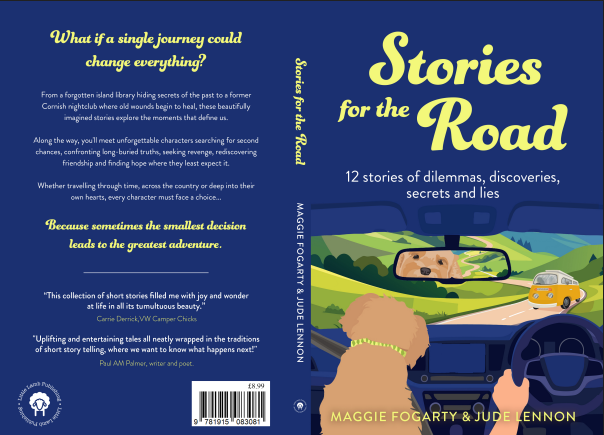
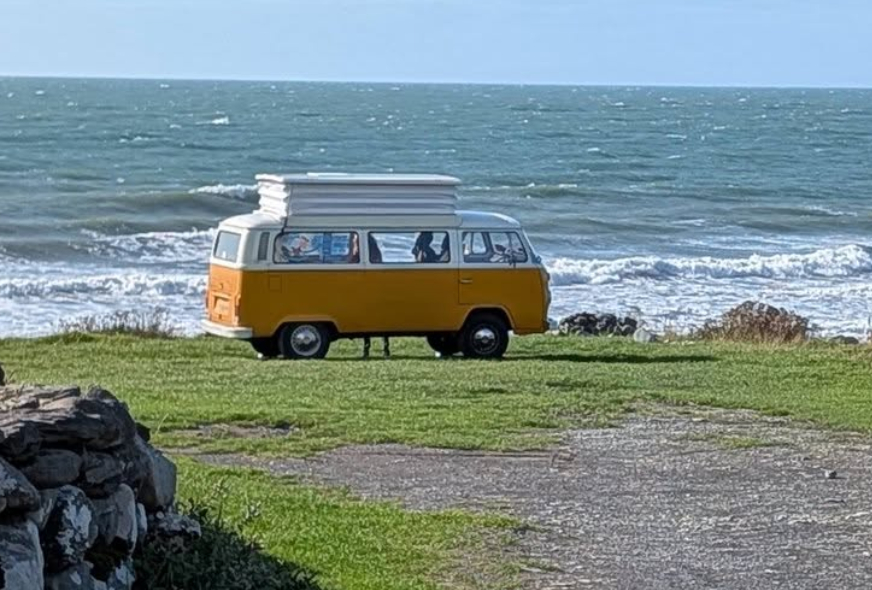
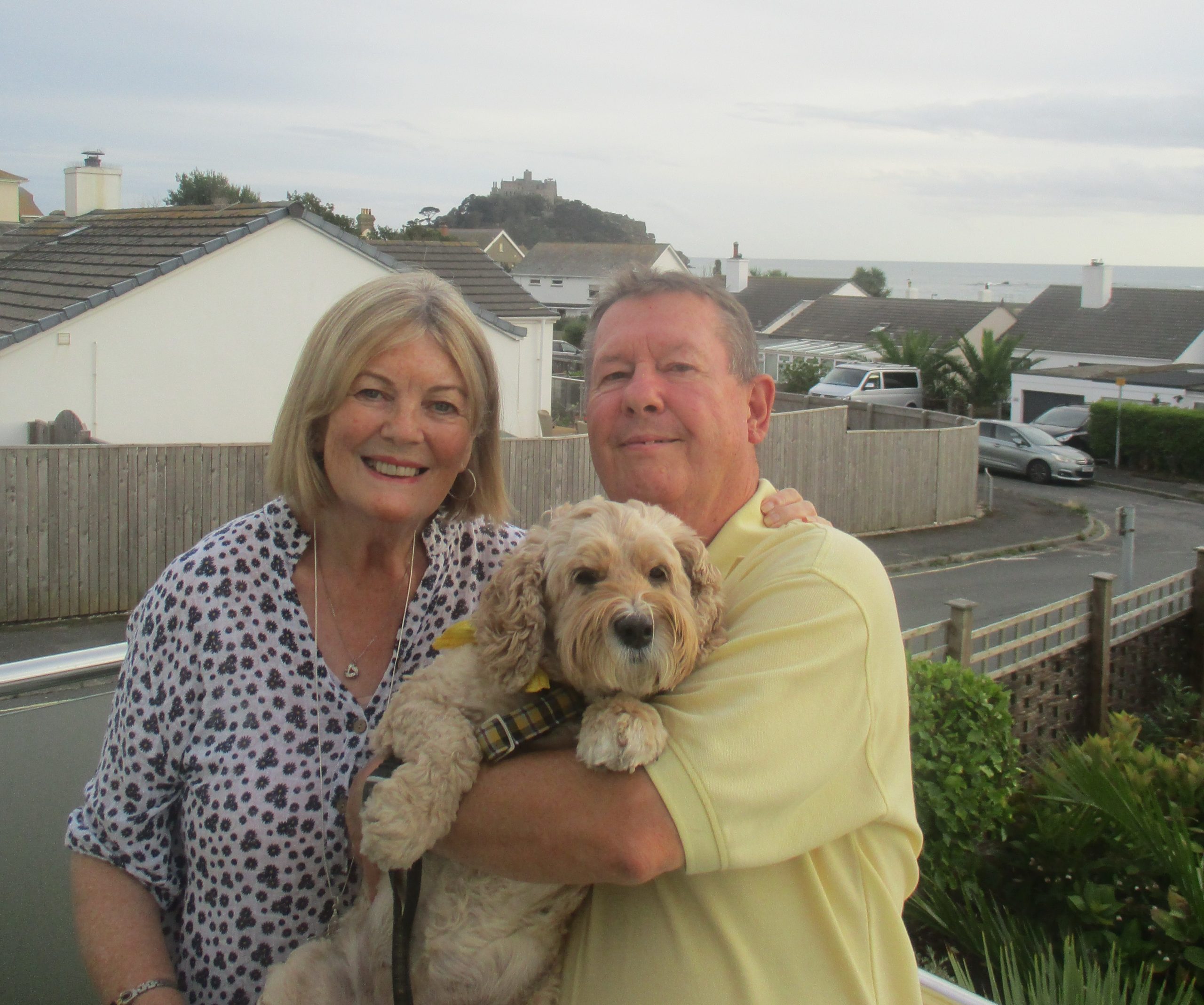
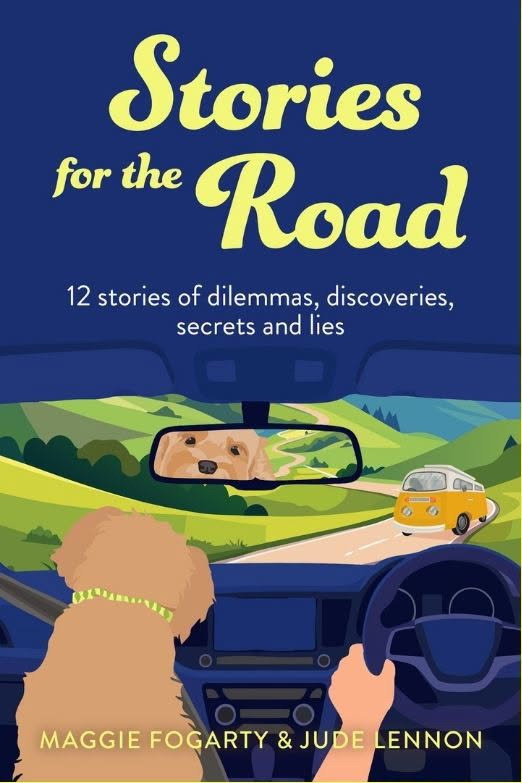
As for myself and co-writer Jude Lennon, our holidays are spent touring in a campervan and motorhome. Here is a snippet of a recent chat we had as part of Indie Author Week UK where we discuss why short stories like our forthcoming collection ‘Stories for the Road’, (out on October 10 2026), are perfect for road travel.
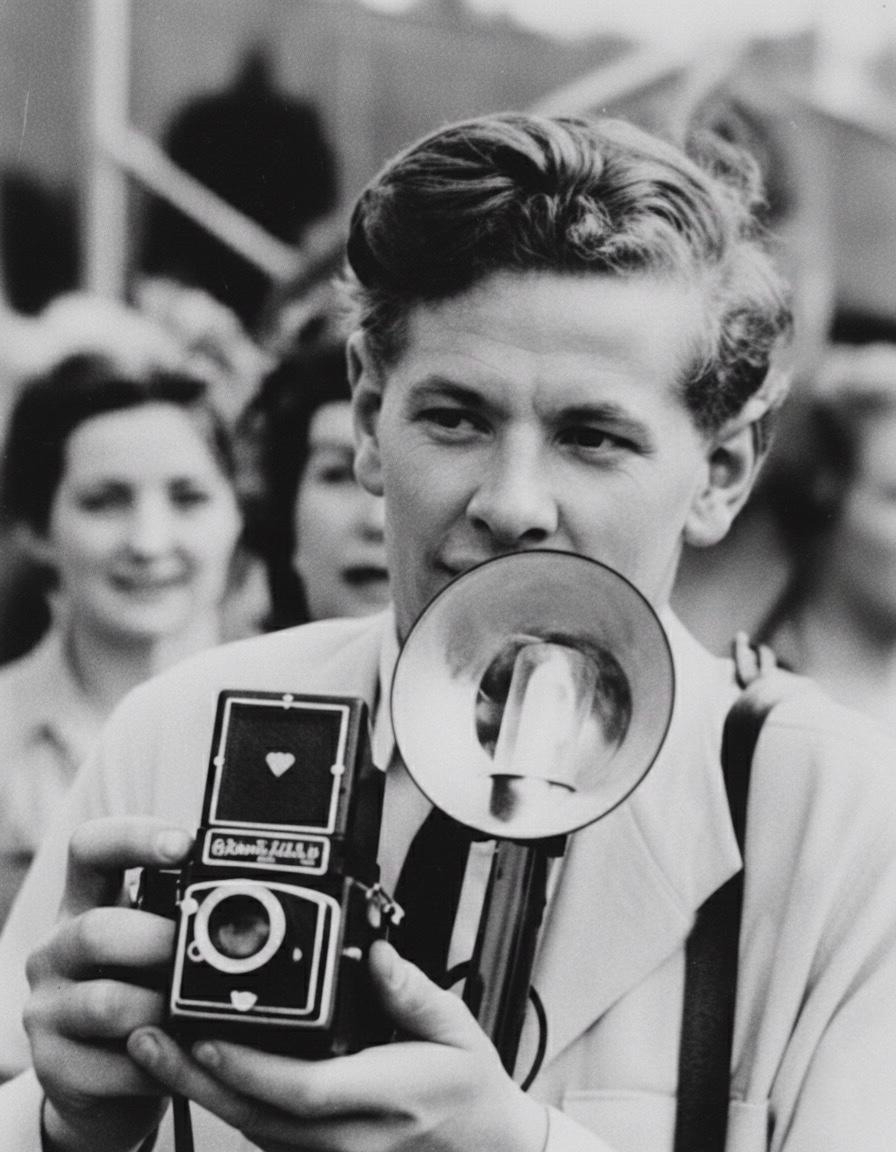
My tribute the late great Birmingham based press photographer MJ Niels McGuinness.
His press photography, spanning several decades, included capturing the scenes of devastation following the 1974 Birmingham pub bombings. Throughout his career he managed to combine gritty social realism with photographing celebrities, politicians and local characters in the city he loved.
Niels’ work deserves to be better recognised. Thanks to Professor Carl Chinn for introducing me to his family during research for the commemoration book to mark the 50th anniversary of the Birmingham bombings.

Many of us treasure memories of a key person, event or simply a ‘thing’ that caused us to take a particular path in our working or personal lives.
Someone or something igniting a spark, generating enthusiasm and energy, taking us in a direction that we may not have thought possible.
When talking about influential people, the catch-all term is ‘mentor’ – an experienced and trusted adviser. Whether it be a teacher, family member, colleague or a chance meeting, the result can be life changing and the start of something special.
That’s why giving the gift of time, passing on experience and knowledge, is important and even more so for people who don’t have easy access or links to a particular profession – in my own case print and broadcast journalism.
As a child growing up in a Birmingham working class community, I didn’t know anyone who wrote for a living or worked in broadcasting. Libraries were a place to escape, somewhere to lose yourself in books and marvel at the sea of titles and author names. A library ticket was a key to another world, a sanctuary but at the same time a special place to visit.
Later on when we moved to a house right opposite a library, I got to know some of the people there who were always helpful and often shared their own favourite books. They didn’t call themselves ‘mentors’ but that is exactly what they were, fostering a love of words and writing.
Knowing where you want to go is one thing but getting there is quite another and I owe a huge debt of gratitude to all of those inspirational people who have helped along the way.
Sharing some book space with other short story writers – ‘The Brumology’ is a selection of Birmingham themed stories published on April 14 2023
Over the years I’ve often been approached about giving advice to young people who are interested in TV production or print journalism careers
Having already contributed to a magazine aimed at young people in the care system, this gave an ideal opportunity to share my work experience with some of them too, their glimpse into the world of print and broadcasting.
Using humour to get across a point about misconceptions of young people in care
At the time I was working on a demanding TV series which meant long unpredictable hours with lots of travel, so was reluctant to promise something that would inevitably be subject to last minute changes – they had already gone through enough of that in their lives.
In the end it was a case of reaching out to other industry contacts to arrange studio/location visits while offering advice where possible. After leaving care, some of them went on to take part in news and documentary programmes shedding a light on their real life stories.
It was a stark reminder that just because you can’t always do a lot it doesn’t mean that you should do nothing. At the same time it’s important to only promise what you can deliver.
Giving even a small bit of time isn’t just about ‘do gooding’ to use that perjorative term. It is about passing on knowledge and helping to open doors for people who might otherwise not get a look in.
Whether you use the terms ‘mentor’, ‘adviser’ or ‘career buddy’, it’s really about being dependable, willing to share your experiences both good and bad, and appreciating the needs of the person seeking advice. A healthy sense of humour always comes in handy too!
On the subject of humour, former GB gymnast and brilliant performance poet, Sally Crabtree, (aka the ‘Poetry Postie’), shares her own childhood inspiration – the Beano comic! – and how it has led to a fantastic work collaboration.
Sally Crabtree
‘I loved reading books as a child – anything from children’s classics to modern fiction. But in truth, what filled me with the most excitement was my Beano comic which was delivered every week through the letterbox! I can remember being at the top of the stairs having heard it land on the mat and the feeling of utter happiness and excitement as I rushed down to pick it up. Little did I know that I would be working with Beano Cartoonists Nick and Fran Brennan from Cartoonfun later in life, collaborating with them to create our very own comic inspired by the ‘Parcel Pets’ – who are the mascots of my Poetry Postie project. You can find out more about it all here www.thepostalserviceofhappiness.com ‘
The term ‘portfolio’ career has been much in vogue recently – the idea of having several separate or interconnecting work roles.
For many of us this is nothing new and as someone who has always worn several hats – ‘Television Producer’, ‘Print Journalist’, ‘University Visiting Editor/ Associate’, ‘Broadcast Mentor’, ‘Author’ – how to answer when faced with a question about your line of work?
Image by Freepik
For ease I usually opt for the two things that have dominated, TV production and journalism. Then the inevitable question. ‘You must have worked with some well known people?’ (Or something along those lines).
Yes I have worked with a number of so-called celebrities but it has not been the main focus. Access based TV documentaries and news/current affairs programmes have been my area and I’ve been fortunate enough to meet some wonderful, inspirational people along the way.
Usually ordinary people doing extraordinary things and helping to change the world for the better. They may not be celebrities but their life footprints are still huge and important.
What is meant by ‘access’ based programmes? This is just shorthand for more in-depth and often exclusive filming of groups or individuals with a strong story to tell, putting a spotlight on their world, usually for the first time.
So far I have made TV films with hospitals, RSPCA Inspectors, police forensic photographers, charities, lawyers, health campaigners and social workers to name just a few. All have involved close collaboration with organisations and individuals to put their stories centre stage.
Programmes looking at the work of police crime photographers
Crucially, most of these have been in prime national TV slots – despite starting out as a specialist social affairs journalist, getting those stories out to a larger audience has always been important.
These types of TV projects involve a huge amount of trust on both sides and a good deal of negotiation before filming even begins, so not for the faint hearted. Having just spent some time revisiting a number of programmes for a current project, here are just a few things learned along the way:
Setting up these bespoke filming projects takes patience, tenacity, diplomacy and resilience. All good life lessons.
Trust has to be earned and honesty is the key here. Appearing in the TV spotlight is still a huge deal for most people and there can be understandable concerns which shouldn’t be understimated.
Agreeing a good clear filming protocol from the start is essential. This is the template for how you will work together, the key lines of communication, a time line for filming and post production with enough ‘wriggle room’ for when things don’t go to plan. Fail to prepare here – well you know the rest.
Using the same core production team throughout does help. This becomes even more important where the filming is done over a longer period of time and the issues covered involve high levels of sensitivity.
Sometimes wider communities are involved. Making a documentary on the 1974 Birmingham Pub Bombings, when 21 people lost their lives with many more injured, meant gaining the trust of the city’s Irish community, survivors, families whose lives were changed forever and the impact of the ensuing miscarriage of justice. Coming from the city and having a working class Irish heritage helped to open doors here.
Make the effort to keep in touch after filming – small thank you gestures go a long way and there may be follow up stories to tell. To this day I’m still in contact with some of the people who have featured in programmes. They know who they are!
Finally a few wise words from the talented photographer/multi media producer and former Central TV colleague, Pogus Caesar, who has had filming access to some incredible people and events
‘While working in television, the thing that guided me was to assemble a great production team bringing valuable assets. Good quality research is important as you need to unearth new information relating to your subject. Finally don’t give promises you cannot fulfill – as the producer/director everything falls at your feet’.
People often talk about ‘sliding door’ moments to describe pivotal life events that could go one way or the other. (The ‘Sliding Doors’ film is a firm favourite).
It’s also one of the themes in my current writing project and has led me to look back at my own sliding door moments. Over the years there have been a good number and here are a few relating to work choices…
Choosing a doorway
– Becoming a journalist. How many people get to do the work they have always dreamed of? This was a childhood ambition and I chose to ignore a po-faced school careers adviser who suggested that it might be a good idea to take up shorthand and typing to give the ‘option’ of becoming a PA or ‘secretary’ to use the old name. A fine job though not one for me. Instead I took a year out between leaving school and studying for a degree to do an accredited journalism course, while working full time to pay for it. By the way, I never did learn to type properly and still get by with a speedy one handed version.
Law, notebooks and bylines….
– Local newspaper or specialist national magazine? My first job offer was on the weekly national SWT magazine aimed at social and residential care workers. Alternatively, I could have waited a few months longer to join a large respected local newspaper group as a trainee. In the end I opted for the more specialist route. It was only a six month trial period to start with but after being thrown in at the deep end, it worked out well. A door that led to a varied written journalism career, including feature pieces for a number of UK broadsheet newspapers/ magazines – something I’m still doing decades down the line.
Moving into TV production
– Stay in print or move into television? Around 5 years into my first journalism job – by which time I had gone from a rookie to senior reporter/feature writer – I spotted a national newspaper advertisement for a TV researcher at Central television. The programme – a network TV slot aimed at older viewers – fitted with my social affairs background. Predictably, there were a huge number of applicants and many already had television production experience. It was a two stage interview which included viewing some of their existing programmes and giving feedback. After watching the given selection of programmes, I liked some a lot more than others. Should I be honest and say this or just be diplomatic about them all?
It had to be the ‘honesty’ door. The comments seemed to go down OK and in the end I got the job. It meant giving up a magazine staff post for a more risky 12 month contract but was the start of a TV production career covering news/current affairs, documentaries and popular factual series, while working alongside some hugely talented people. That early interview call was a good one.
Guest columnist in Bermuda
– A move abroad? In 2011 my husband Paul, a digital forensic expert, got the chance to go to Bermuda to work with the police service there. Should I stay put or go out there too? Of course I went and in the end we spent over a year in that beautiful part of the world. Although my ‘visitor’ status meant that paid work wasn’t an option, I did write a regular guest column for one of the island newspapers and completed most of my first novel ‘My Bermuda Namesakes’ while there. We made some lifelong friends too and yet another doorway well worth choosing.
So there you have it – a few personal sliding door decisions and I’ve learned along the way to always go with those gut instincts. If something feels right, then just move with it. If not, drop it and have confidence to take that alternative route even if it feels a bit scary. It really can be that straightforward
Here is an inspirational quote from fellow writer Jude Lennon about her own big sliding door decision to leave her teaching career and become a writer. A friend told her ’ Sometimes you have to take the leap of faith and grow your wings on the way down. Just make sure they sparkle!’
Jude has certainly done that. Check out her sparkly work on www.littlelambpublishing.co.uk
Recent Comments